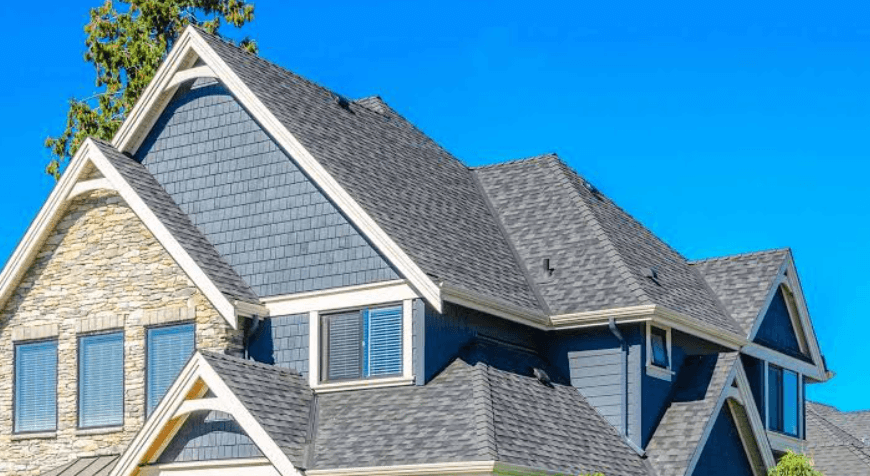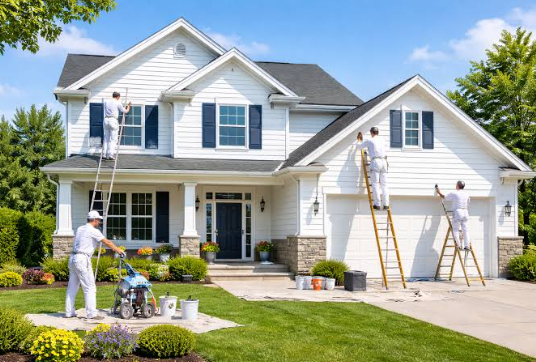
Dana bought an 1,100 square foot Cape built in 1947 and collected three siding quotes in a single week. Two landed within a few hundred dollars of each other. The third came in about $4,000 lower, and its entire prep line read sand, prime, one weekend. That gap was not efficiency and it was not a favor. What she worked out after a few phone calls, and what an honest affordable siding company MA homeowners keep recommending will say without being asked, is that the low bid had quietly dropped the lead-safe work an older house requires. The argument here is blunt. On a pre-1978 painted house the prep is the project, and a quote that treats it as an afterthought is not cheaper, it is only later.
Mistake One Treating Old Paint Like Ordinary Prep
Prep on a 1996 vinyl ranch and prep on a 1947 Cape are not the same job, and the difference in price is not a contractor padding the bid. Paint sold before 1978 may carry lead, and the moment a sander touches it, that paint becomes dust that settles into soil, window wells, and the carpet inside. Dry sanding or power sanding old paint without HEPA dust capture is not allowed on a home built before 1978, and the work belongs to a lead-safe certified renovator. Containment is not free either: plastic sheeting, HEPA vacuums, a cleaning verification step, disposal of the debris. An April 2026 cost guide from Block Renovation put the range for whole-house exterior lead paint abatement at $5,000 to $21,000, swinging on siding type, paint condition, and how far the lead had deteriorated. Prep on an old painted house works the way the security line at an airport works. Nobody buys a ticket for it, everybody has to budget time for it, and the plane does not leave until it is done. So a bid $4,000 under the other two with two words about prep is not a better price. It is a smaller scope.
See also: Adding A Bathroom Can Outgrow The Well Pump You Have
Mistake Two Covering Problems Instead of Fixing Them
The second mistake is quieter, and it shows up two winters later. New siding goes on over sheathing nobody opened, over a soft spot beneath the gutter line, over a sill that has been wicking water since the last roof job. Old clapboards keep score. In practice, what turns up once the loose paint comes off is a handful of bad boards in two predictable places, the shaded wall and whatever sits under a failing downspout, rather than the catastrophe a homeowner braces for. An affordable siding company MA buyers call back for a second phase will put a repair allowance in the contract with a unit price per board, so the change order becomes arithmetic instead of an argument.
Cedar, honestly, silvers into something beautiful on a shaded north wall, and I have lost whole meetings to that conversation with buyers who then picked fiber cement anyway. Back to the money. A weekend of dry sanding on a house like Dana’s does not save $4,000. It moves the cost out to the year the paint fails again, plus whatever the wet sheathing did while nobody could see it.
Questions Buyers Ask About Old Clapboards
Can I scrape the old paint myself over a weekend?
You are allowed to work on your own house, but the dust does not care who made it. Wet methods, plastic sheeting on the ground, and a HEPA vacuum for cleanup are the floor, and children and pregnant household members should be out of the work area entirely. If the paint is failing across a large stretch of wall, hire the certified crew and spend that money once.
Does a 1948 house really need a lead-certified contractor?
Yes, on any job that disturbs paint. Federal lead-safe rules in the EPA’s renovation, repair and painting guidance prohibit sanding or grinding with a power tool that has no HEPA capture in housing built before 1978, and require a certified renovator to run the work. Ask for the firm’s certification number before you sign anything, and because state programs add requirements on top of the federal floor, check what your own state’s lead program expects as well.
Phased Work Beats a Weekend Shortcut
Phasing is what makes an old house affordable without making the number a fiction. Dana took the two weather sides first, call it roughly $6,000 for that stage on an 1,100 square foot Cape, with the lead-safe prep priced into the contract rather than wished away, then the remaining elevations the following spring for close to the same figure. Two payments, a year apart, and no paint dust in the yard where the dog sleeps. The cheap quote would have been finished in a weekend, and the peeling would have started again by the third summer. Ask every bidder to break the prep line out, to say what happens when a board comes off soft, and to name who on the crew holds the certification. The bid that answers all three usually costs the least by the time the work is genuinely done.